The Thesis
Eleven editions in, Paris Modest Fashion Week is no longer proving that modest fashion can exist on a global stage. It is proving that the global stage needs modest fashion.
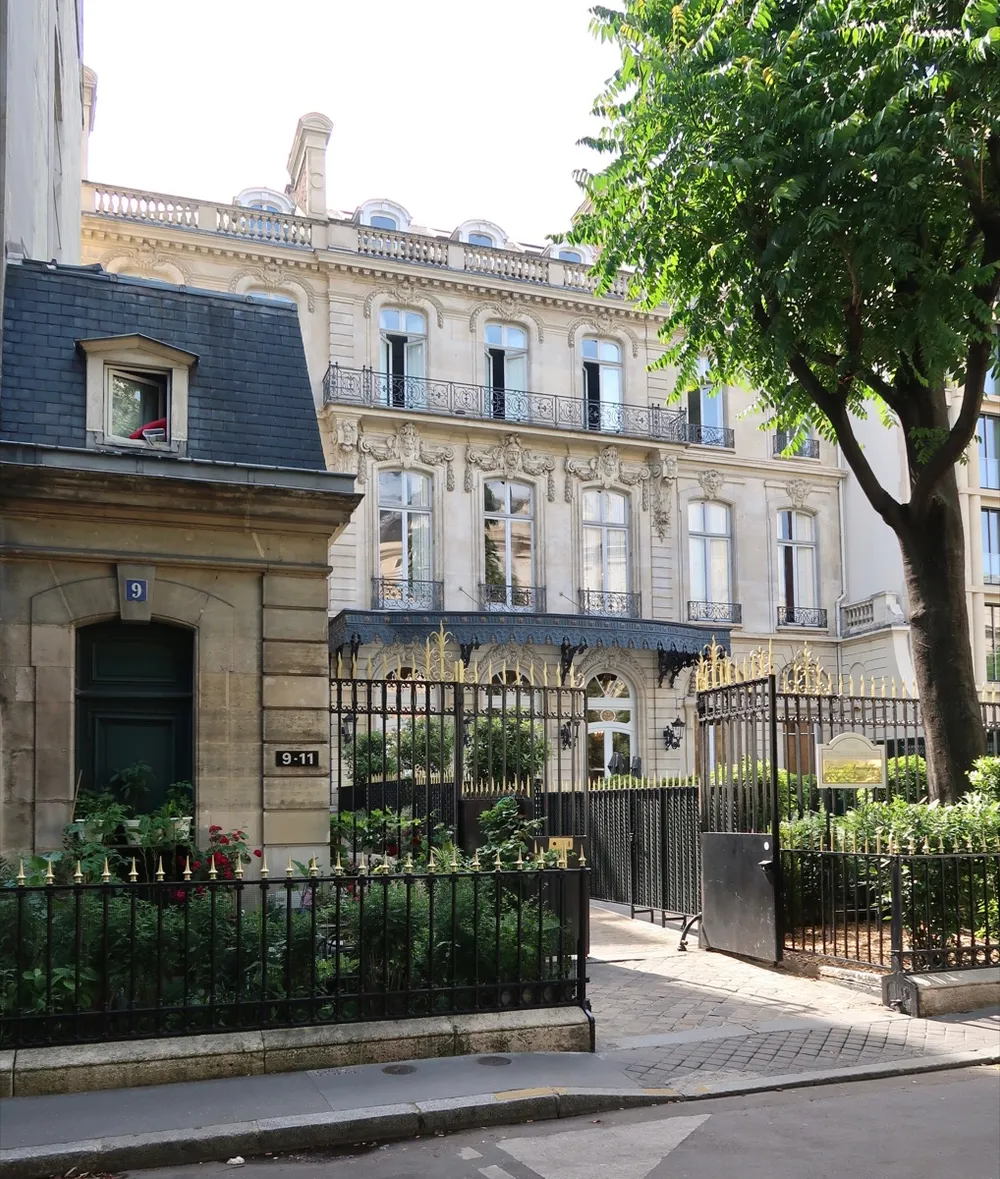
The April 2026 edition at Hôtel Le Marois — an 18th-century mansion in the 8th arrondissement — brought together designers from Serbia, Indonesia, France, Qatar, Nigeria, Spain, Turkey, Russia, the UK, and Kazakhstan. The geographic range is the signal: this is not a Middle Eastern or Southeast Asian conversation anymore. It is a global design movement with Paris as its gravitational center.
What Stood Out
Day 1 focused on creative direction. The message from multiple designers was consistent: modest fashion is becoming a mainstream creative language, not a constrained subset of conventional fashion. Sedzda Couture from Serbia presented structured, architectural silhouettes that could sit on any Paris runway. Indonesia’s Nada Puspita showed soft femininity with accessible global appeal.
Day 2 shifted to business strategy. Ozlem Sahin, CEO of Modest Fashion Weeks by Think Fashion, framed the event around scalability and sustainability — the two challenges that separate runway brands from retail brands.
The most interesting presentations came from unexpected places: Turkey’s Mayovera with modest swimwear designed around movement and ease, and Gvileti & Pkhamat’s capsule collection rooted in Central Asian regional craftsmanship. These are not brands retrofitting modesty onto existing designs — they are building from a modest-first creative brief.
Why Paris Matters
Paris is strategic, not just symbolic. The French capital is the world’s fashion authority. When modest fashion occupies the same venue architecture, the same press cycle, and the same buyer ecosystem as conventional couture, it compresses the perception gap between the two.
The global modest fashion market reached an estimated $339.6 billion in 2026. But market size alone does not explain why Paris Modest Fashion Week keeps growing. The real driver is that luxury houses — H&M, UNIQLO, Dolce & Gabbana — have launched dedicated modest collections, validating the commercial opportunity. Independent modest designers now compete for the same consumer attention as mainstream brands, and Paris is where that competition is most visible.
The Gap
But 11 editions in, the gap between runway visibility and commercial infrastructure remains real. Most designers showing at Paris Modest Fashion Week are still small-batch, direct-to-consumer operations. The modest fashion industry has 2,500+ businesses in the GCC alone, but few have the production capacity or distribution networks to scale globally. The event proves the creative thesis annually — the business thesis still needs more evidence.