The Thesis
The most important word in modest fashion retail in 2026 is not “modest.” It is “permanent.” Major retailers are shifting modest fashion from seasonal Ramadan capsules to year-round dedicated collections with permanent shelf and digital space. That distinction — seasonal vs. permanent — separates a marketing exercise from a strategic commitment.
What Is Happening
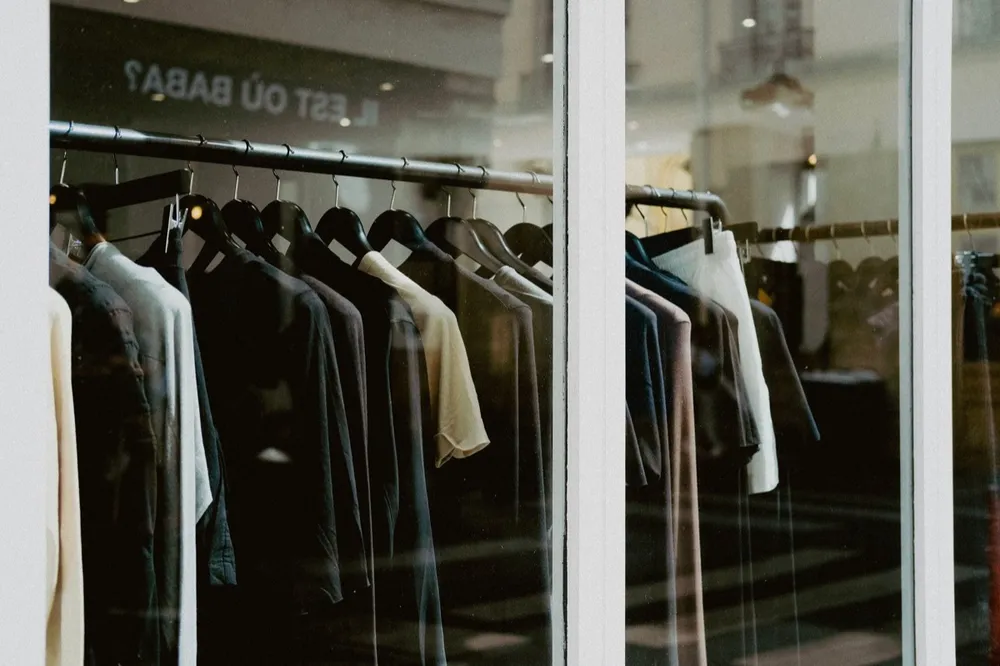
In North America and Europe, major department stores now dedicate permanent sections to modest fashion. H&M, UNIQLO, and Dolce & Gabbana have all launched dedicated modest lines — not as limited drops, but as ongoing product categories. The emergence of North American-based modest fashion influencers and direct-to-consumer brands has accelerated awareness, but the department store commitment signals something deeper: buying teams and merchandising departments have concluded that modest fashion generates enough revenue per square foot to justify permanent allocation.
The numbers support the decision. The global modest fashion market is projected at $339.6 billion in 2026, with growth of 5-7% annually. In the GCC, the market alone is worth over $50 billion. Saudi Arabia’s share is forecast to reach $5.5 billion by 2026, with the UAE at $3 billion by 2027.
The E-Commerce Dimension
The shift is even more pronounced online. Modest fashion consumers shop online 48% more frequently than general apparel buyers. The fashion e-commerce market overall is growing at 11.5% annually, but the modest segment within it is growing faster because the product discovery problem — finding stylish, well-fitting modest clothing — is more acute in physical retail, where options remain limited outside of Muslim-majority markets.
Social commerce is the accelerant. Sixty percent of modest fashion consumers use Instagram for purchase influence, 40% use TikTok. The direct-to-consumer brands that have grown fastest — Aab, Haute Hijab, Kabayare — are social-first businesses that bypass traditional retail entirely. This creates a dual-channel landscape: established retailers adding permanent modest sections for mainstream visibility, and DTC brands capturing the digital-native customer.
The Consumer Insight
A data point worth noting: 75% of modest fashion consumers are willing to pay a premium for products that meet their modesty standards. And only 46% purchase for explicitly religious reasons — 34% cite comfort as their primary motivation. This means the addressable market extends well beyond observant Muslim women to include any consumer who prefers coverage, comfort, and non-revealing silhouettes. The “modest” label is expanding from a religious descriptor to a style descriptor.
What to Watch
The test will come in the next 12-18 months. Permanent collections require permanent investment in design teams, sizing ranges, and supply chains adapted to modest specifications. Retailers that treat modest fashion as a checked box — importing the same silhouettes and adding longer hemlines — will fail. The brands that will win are those investing in modest-first design, where coverage and style are integrated from the sketch, not retrofitted in production.