Methodology
This ranking evaluates halal F&B brands on four criteria: estimated halal revenue (scale of halal-certified operations), geographic reach (number of markets served with halal products), certification depth (number of halal-certified SKUs and certification bodies recognized), and 2025-2026 growth momentum (new facilities, market entries, or product launches). Only companies with verifiable public data are included.
The global halal food market reached approximately $810 billion in 2025 and is projected to grow to $880 billion in 2026. Asia Pacific commands 48.3% of global revenues. The ranking below draws on public filings, industry reports, and company announcements.
1. Nestlé
HQ: Vevey, Switzerland | Estimated Halal Revenue: $6B+ | Halal SKUs: 2,000+
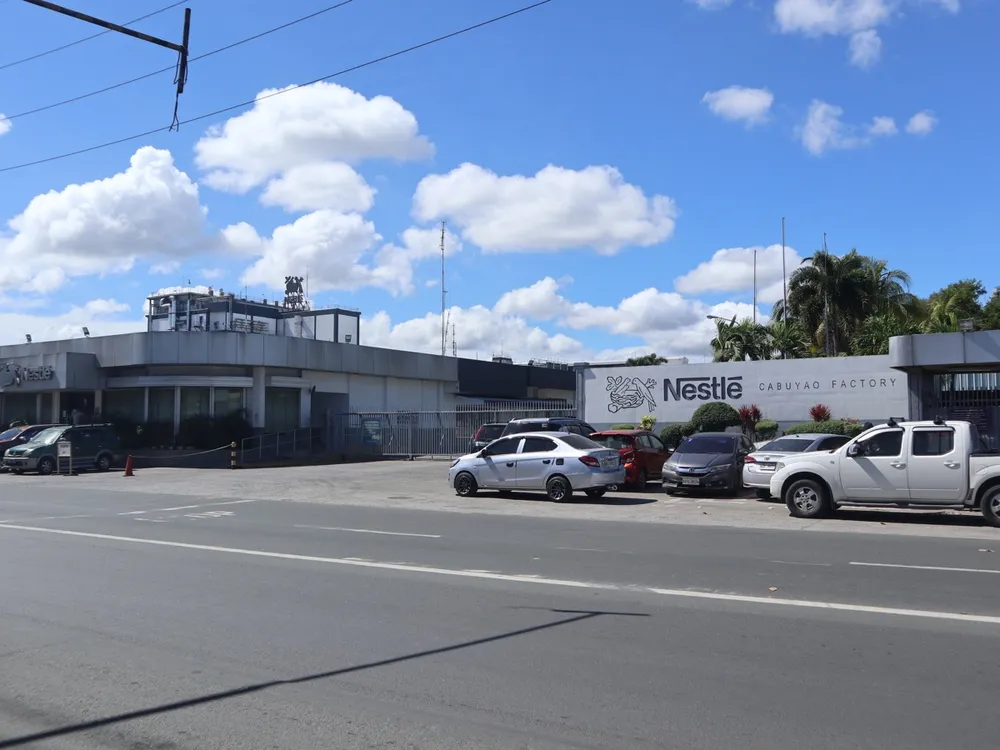
The world’s largest halal food producer by certified product breadth. Nestlé operates dedicated halal manufacturing facilities in Malaysia, Pakistan, the UAE, and Egypt. Its Malaysia operations serve as the global halal center of excellence. Over 150 Nestlé factories worldwide hold halal certification. The sheer scale of Nestlé’s halal operation — from KitKat to Maggi to Milo — makes it the default benchmark.
2. BRF (Sadia Halal)
HQ: São Paulo, Brazil | Estimated Halal Revenue: $10-15B | 2026 Expansion: $2.07B JV
BRF reported record profitability with an 18% revenue increase in 2025. The May 2026 Sadia Halal joint venture with Saudi Arabia’s HPDC — valued at over $2 billion — creates a multi-protein powerhouse across the GCC and MENA. A new $160 million facility in Jeddah deepens Saudi production capacity. BRF’s halal poultry is ubiquitous across the Gulf.
3. JBS (Seara)
HQ: São Paulo, Brazil | Estimated Halal Revenue: $30B+ (total protein)
The world’s largest protein company by revenue ($239 billion in 2025). JBS inaugurated an $85 million industrial plant in Jeddah in 2026, focused on value-added halal products under its Seara brand. With processing facilities across Brazil, Australia, and the Middle East, JBS supplies halal beef, chicken, and lamb at a scale no competitor can match.
4. Almarai
HQ: Riyadh, Saudi Arabia | Revenue: $5B+
The world’s largest vertically integrated dairy company. Almarai controls the entire supply chain — from farm to shelf — across Saudi Arabia, the UAE, Egypt, and Jordan. Its bakery and poultry divisions extend the halal portfolio beyond dairy. Almarai’s advantage is vertical integration: when you own the cows, the processing plants, and the delivery trucks, quality control is structural, not contractual.
5. Saffron Road
HQ: Stamford, Connecticut, USA | Revenue: ~$42M | Retail Locations: 15,000+
The only American halal brand to achieve mainstream retail distribution at scale. All products are IFANCA halal-certified and Certified B Corporation. Founder Adnan Durrani was inducted into the Specialty Food Association Hall of Fame in 2026. The Crossroads frozen meal line launched in February 2026 targets the premium frozen category directly. Eyeing a capital raise to fund the next growth phase.
6. Al Islami Foods
HQ: Dubai, UAE | Markets: 25+ countries
The GCC’s largest homegrown halal frozen food brand. Al Islami has built a product portfolio spanning chicken, beef, seafood, and ready meals — all halal-certified and distributed across the Middle East, Africa, and Asia. The brand’s strength is trust: decades of consistent halal compliance in a market where consumer skepticism about certification is high.
7. QL Resources
HQ: Kuala Lumpur, Malaysia | Revenue: $1.5B+ (group)
A Malaysian conglomerate with integrated operations in marine products, palm oil, and poultry. QL’s Family Mart convenience store chain in Malaysia — one of the largest in the country — gives it a direct-to-consumer channel for halal products. The company’s vertical integration from feed mills to retail shelves mirrors Almarai’s model in a Southeast Asian context.
8. Cargill (Halal Division)
HQ: Minneapolis, USA | Estimated Halal Revenue: $8-12B
Cargill’s halal operations span beef processing, poultry, food ingredients, and animal nutrition across the Middle East, Southeast Asia, and Europe. As a B2B supplier, Cargill is invisible to consumers but essential to the supply chain — its halal-certified ingredients end up in products from dozens of consumer-facing brands. The quiet giant of the halal food system.
9. Kawan Food
HQ: Kuala Lumpur, Malaysia | Markets: 40+ countries
Malaysia’s frozen food export champion. Kawan’s halal-certified roti paratha, spring rolls, and frozen pastries are distributed across 40 countries — from the GCC to Europe to North America. The company has built its brand on consistency and shelf stability, two attributes that matter disproportionately in export-driven halal food businesses.
10. Naz’s Halal
HQ: New York, USA | 2026 Target: 20 new franchise locations
The fastest-growing halal quick-service restaurant chain in America. Naz’s is targeting 20 new franchise locations in 2026, building on a model that combines halal chicken and rice platters with the speed and accessibility of fast casual. While much smaller than the multinationals on this list, Naz’s represents the next frontier: halal foodservice brands that scale through franchising.
The Takeaway
The halal F&B landscape in 2026 splits into two tiers. The first tier — Nestlé, BRF, JBS, Cargill — consists of multinationals that have added halal certification to existing global operations. Their scale is unmatched, but halal is one line item in a much larger business. The second tier — Saffron Road, Al Islami, Kawan, Naz’s — consists of brands built halal-first, competing on authenticity and specialization.
The most interesting dynamic is in the middle: companies like Almarai and QL Resources that combine the vertical integration of the first tier with the halal-first identity of the second. As the market approaches $1 trillion, the winners will likely be brands that can operate at global scale while maintaining credible halal identity — not an easy balance.